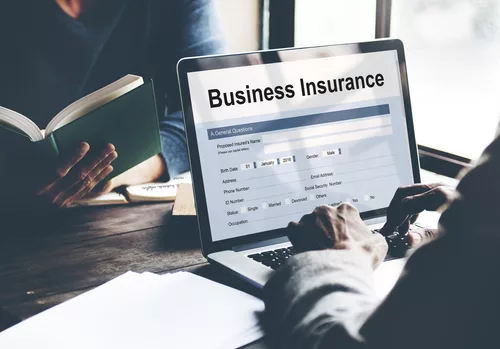
The Essential Guide to Insurance for Entrepreneurs: Safeguard Your Vision
Starting a business is an exhilarating journey filled with innovation and growth, but it also comes with its fair share of risks. Insurance for entrepreneurs is not just an afterthought; it is a vital component of your business strategy. By securing the right coverage, you can protect your investment, your employees, and your vision. Here are three key types of insurance every entrepreneur should consider:
- General Liability Insurance: This protects against claims of bodily injury or property damage.
- Professional Liability Insurance: Essential for service-based businesses, this covers potential negligence claims.
- Business Interruption Insurance: This helps you recover lost income and covers expenses during unforeseen events.
As you create your business plan, incorporating a comprehensive insurance strategy is crucial. Without the right insurance for entrepreneurs, one unexpected incident could jeopardize everything you’ve worked for. It’s important to regularly reassess your insurance needs as your business grows and changes. Consulting with a knowledgeable insurance agent can help you tailor policies that not only protect your assets but also align with your long-term goals. Remember, safeguarding your vision starts with making informed decisions about your coverage.
Top 5 Types of Insurance Every Entrepreneur Should Consider
As an entrepreneur, safeguarding your business against unforeseen circumstances is crucial for long-term success. One of the most important steps you can take is securing the right types of insurance. Here are the Top 5 Types of Insurance every entrepreneur should consider:
- General Liability Insurance: This foundational policy protects against claims of bodily injury, property damage, and personal injury, making it essential for any business.
- Professional Liability Insurance: Also known as errors and omissions insurance, this coverage is vital for service-based businesses, shielding them from claims related to negligence and mistakes.
- Property Insurance: Whether you rent or own your workspace, property insurance covers damages to your physical assets, ensuring your business can recover from unexpected events like fire or theft.
- Workers' Compensation Insurance: If you have employees, this insurance is legally required in most states. It covers medical costs and lost wages for employees injured on the job.
- Business Interruption Insurance: This policy compensates for lost income due to unexpected disruptions, helping your business stay afloat during challenging times.
Understanding and investing in these Top 5 Types of Insurance can significantly enhance your risk management strategy. Protecting your business not only ensures its sustainability but also offers peace of mind, allowing you to focus on growth and innovation. By selecting the right coverage, you can navigate the unpredictable landscape of entrepreneurship with confidence.
Is Your Business Protected? Key Insurance Questions Every Entrepreneur Should Ask
As an entrepreneur, ensuring that your business is properly protected involves more than just obtaining insurance; it requires asking the right questions to understand your specific needs. Start by evaluating your risks. What risks does your business face? This could range from natural disasters to liability claims. Consider crafting a comprehensive risk assessment to identify the critical areas where coverage is essential. Additionally, how much coverage do you really need? Finding the balance between adequate coverage and avoiding unnecessary costs is a crucial aspect of a robust insurance strategy.
Another important aspect is understanding the types of insurance that may be essential for your business. Ask yourself, do you have the right types of insurance? Common types include general liability, property, and workers' compensation insurance. Furthermore, is your insurance up-to-date? Business environments change, and your coverage should evolve as well. Regularly review your policies to ensure they still meet your needs and reflect any changes in your operations or industry regulations. Being proactive can save you from significant losses in the long run.