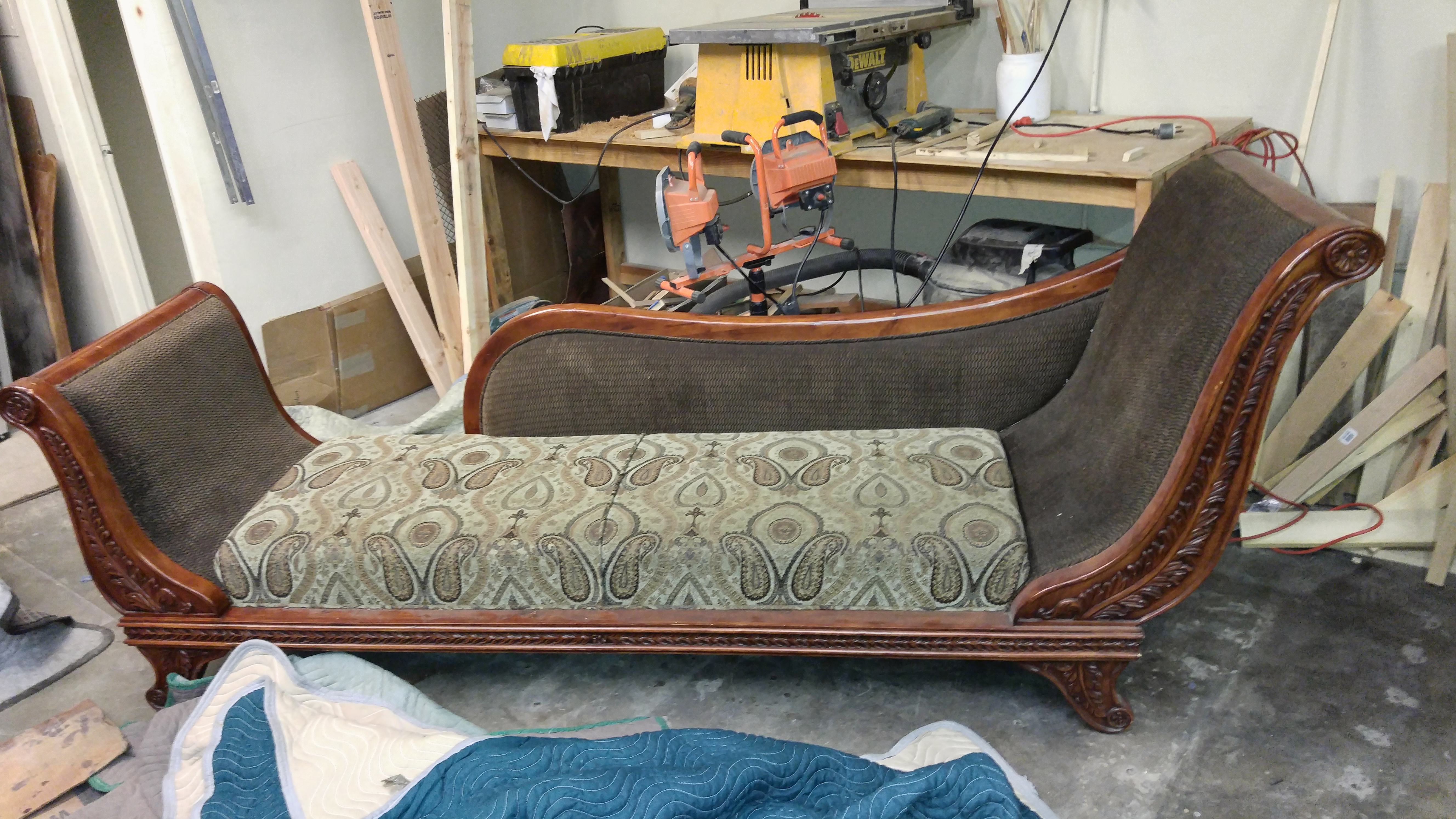
Top 5 Techniques for Restoring Vintage Furniture
Restoring vintage furniture can be a rewarding endeavor that not only enhances the beauty of your pieces but also preserves their history. Here are the top 5 techniques to rejuvenate your cherished finds:
- Assess the Condition: Begin by thoroughly inspecting the furniture for any damage or wear. Look for loose joints, scratches, and signs of deterioration.
- Clean Thoroughly: Use a gentle cleaner suitable for the material (wood, fabric, etc.) to remove dirt and grime without damaging the finish.
- Repair Structural Issues: Address any structural problems like loose legs or broken parts using wood glue or screws for reinforcement.
- Refinish Surfaces: Depending on the item's condition, you may want to sand down the surface and apply a new stain or paint for a fresh look.
- Reupholster if Necessary: For upholstered pieces, consider replacing old fabric with new, vintage-inspired textiles to breathe new life into the piece.
These techniques not only help in bringing back the original charm of vintage furniture but also add a personal touch to your home decor. Remember that restoring furniture is not just about aesthetics; it’s also about sustainability. By restoring instead of replacing, you contribute to a more eco-friendly approach to decorating. Take your time, enjoy the process, and let your creativity shine through as you breathe new life into these timeless treasures.
How to Choose the Right Paint for Your Antique Pieces
Choosing the right paint for your antique pieces is crucial to preserving their character and integrity. Antiques often hold historical significance and should be treated with care. Before you start painting, assess the material and condition of the piece. If it is made of wood, ensure there are no underlying damages; if the surface is uneven, consider sanding it down for better paint adhesion. Research and select a paint that is appropriate for the antique's material, such as chalk paint for a matte finish or acrylic paint for a more durable surface.
Additionally, consider the desired aesthetic and finish when selecting your paint. For a vintage look, use distressed paint techniques or opt for a lighter color palette. It's advisable to test the paint on a small, inconspicuous area first to see how it adheres and whether the color complements the piece. Don't forget to apply a suitable sealant once the paint has dried to protect your work and ensure longevity. By taking the time to choose the right paint and techniques, you'll enhance your antique pieces while maintaining their timeless charm.
Common Mistakes to Avoid When Reviving Your Vintage Finds
Reviving vintage finds can be an exciting journey, but it's essential to avoid common mistakes that can compromise your treasures. One of the first things to be mindful of is improper cleaning techniques. Many vintage items, especially furniture and textiles, require specific cleaning methods to preserve their integrity. For example, using harsh chemicals or excessive water can damage delicate materials. Always research the appropriate cleaning method for your item. Additionally, neglecting to assess the condition of your vintage find can lead to irreversible damage. Before starting any restoration work, inspect your item thoroughly for any weaknesses or issues that need special attention.
Another common pitfall is over-restoring your vintage finds. While it may be tempting to restore an item to a 'like-new' condition, excessive restoration can strip away its character and value. Instead, aim for a balance between preservation and enhancement. Focus on repairs that allow the item to maintain its authenticity while ensuring it's functional for modern use. It's also essential to remember that not all vintage finds need to be restored. Sometimes, a good dusting or a simple fix is all that is necessary. By being cautious and intentional with your revival process, you can ensure that your vintage treasures continue to be cherished for years to come.